
Stay Updated
The Rise of College Dropouts in Startups
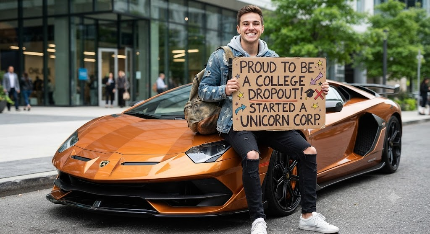
College dropouts are increasingly building AI startups instead of completing a 4-year degree. In 2026, this shift is becoming more visible as young founders choose execution over traditional education. Viral startup success stories, combined with rapid AI innovation, are accelerating this change.
Today, many student entrepreneurs believe that building real products leads to faster success than staying in classrooms. As a result, the debate around college vs startup path is growing stronger in the global startup ecosystem.

College Dropouts Are Redefining Success Paths
Traditionally, students followed a fixed route of college, degree, and then job. However, young startup founders are actively breaking this pattern.
Instead of waiting years for graduation, college dropouts are launching startups early and focusing on product building. Many Gen Z founders now prioritize AI startups, SaaS platforms, and mobile apps over formal degrees.
As a result, successful college dropouts are proving that skills, execution, and problem-solving matter more than certificates in today’s economy.
AI Startups Are Driving the Dropout Trend
AI startups are one of the biggest forces behind the rise of college dropouts in entrepreneurship. With modern AI tools, founders can build faster, automate development, and scale products more efficiently than ever before.
AI agents, no-code platforms, and automation tools significantly reduce technical barriers. Therefore, student entrepreneurs no longer need large teams or long academic training to launch startups.
As AI innovation continues to accelerate, many young founders feel a strong urgency to enter the market early instead of spending four years in college.

Social Media Amplifies Startup Success Stories
Social media plays a major role in shaping this trend. Platforms like X, LinkedIn, and YouTube constantly highlight startup success stories and young founders.
Viral posts about teenage entrepreneurs raising funding or building global products create strong motivation among students. In one example, young founders from Dallas built an AI note-taking startup and reportedly raised around $13 million, which further inspired student entrepreneurs worldwide.
Consequently, college dropouts are becoming more common in discussions around startup success and innovation.
College Feels Slower Compared to Real-World Execution
College education often follows a structured and slow academic system. In contrast, startups operate in real time with rapid iteration cycles.
While universities focus on theory and exams, AI startups evolve weekly through user feedback and product updates. Because of this gap, many students feel that classroom learning cannot match real-world speed.
As a result, young founders increasingly shift their attention from academic progress to startup execution.
Easy Access to Tools Removes Barriers
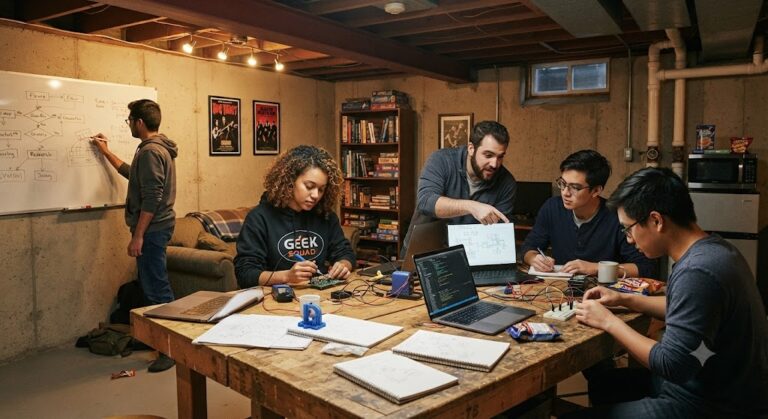
Modern tools have made startup building significantly easier. AI coding assistants, cloud platforms, and no-code builders allow founders to launch products quickly.
A student can now build an app using AI tools, deploy it globally, and test market demand within days. This level of accessibility reduces dependence on formal education.
Therefore, college dropouts find it easier than ever to experiment with startup ideas and enter the market early.
Peer Influence Builds Startup Culture
Startup culture spreads quickly through peer networks in colleges and online communities. Hackathons, developer groups, and startup clubs create an environment where building is encouraged.
When one student successfully launches a product or raises funding, others are often inspired to follow the same path.
As a result, the decision to drop out or pause college is often influenced by environment and peer motivation rather than individual planning alone.
Early Wins Push Students Toward Startups
Once student entrepreneurs achieve early success, their motivation increases significantly.
First users validate the idea, early revenue builds confidence, and investor attention strengthens belief in the product. These small wins often feel more impactful than academic achievements.
Consequently, college dropouts start valuing real-world progress more than grades or degrees.
Funding Opportunities Strengthen the Trend
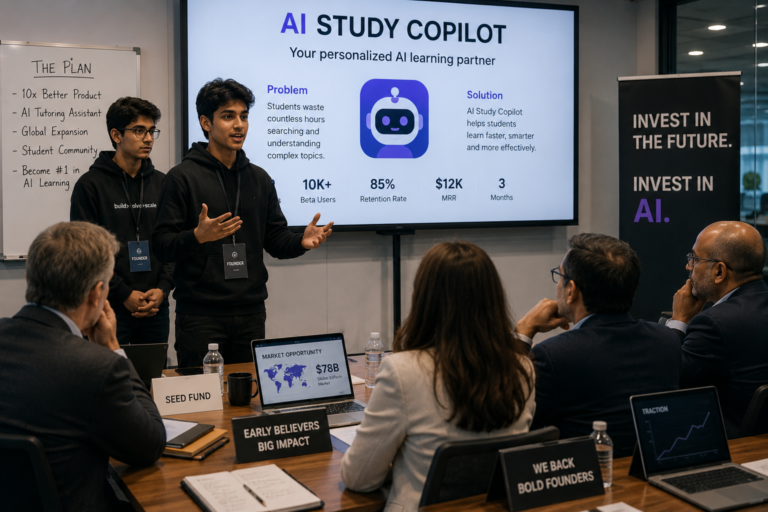
Venture capital firms and startup accelerators are increasingly open to young founders. Many investors now prioritize product potential and execution over formal education.
Because of this shift, college dropouts can raise funding if their AI startups show traction and market fit.
This financial validation further reduces the dependency on traditional college pathways.
Opportunity Cost Drives the Final Decision
At a critical point, students compare two paths: spending years in college or investing that time in building a startup.
Since startup success stories are highly visible, many young founders feel that execution matters more than waiting for a degree.
Therefore, the opportunity cost of staying in college becomes a key factor in the dropout decision.
Reality Check: Not Every Dropout Succeeds
Despite the visibility of success stories, it is important to recognize that not every college dropout becomes a successful founder. Most startups still fail.
At the same time, college provides structure, networking, and a fallback career path. For many students, it remains a valuable option.
Therefore, the dropout trend should be seen as an alternative path, not a guaranteed formula for success.
Future of College in the Startup Era
Looking ahead, 4-year colleges are likely to evolve rather than disappear. Universities may integrate startup incubators, AI labs, and real-world product-building programs into their curriculum.
Successful college dropout founders will continue to inspire new generations of student entrepreneurs, further shaping education systems.
Ultimately, education may shift toward a hybrid model that combines learning with execution.
College dropouts are increasingly building AI startups due to faster technology cycles, accessible tools, and highly visible success stories. Social media and funding opportunities further strengthen this trend.
However, this shift represents a change in mindset rather than a complete replacement of education. The future belongs to those who can combine structured learning with real-world execution in the evolving startup ecosystem.