
Stay Updated
Hardware-Based Digital Identity Vault: The Future of Passwordless Cybersecurity
The Growing Need for a New Digital Security Model
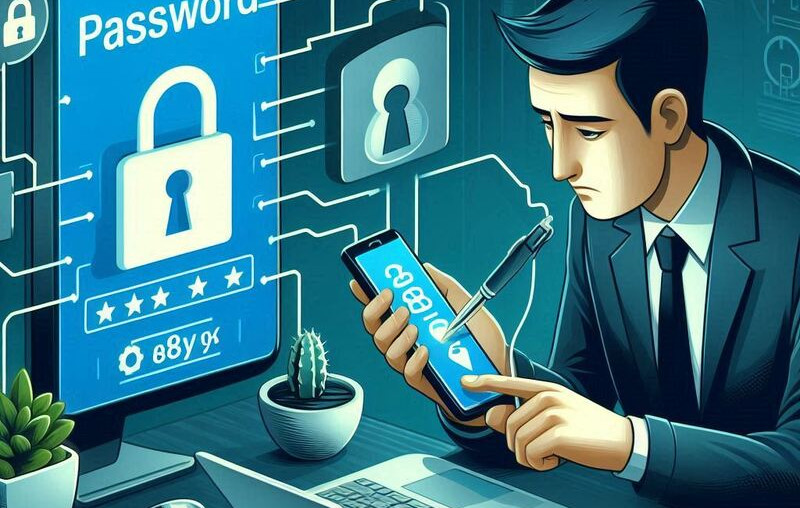
The digital world is entering a new era where protecting online identities has become more important than ever. Individuals and businesses now depend on hundreds of online accounts, including banking platforms, investment services, cloud applications, healthcare portals, and social networks. However, traditional passwords remain one of the biggest weaknesses in cybersecurity.

Cybercriminals continue to use phishing attacks, credential theft, malware, and artificial intelligence-powered scams to compromise user accounts. As attackers become more advanced, relying only on passwords and cloud-based security solutions creates new challenges.
To address these risks, a new generation of cybersecurity solutions is emerging. A hardware-based digital identity vault offers a smarter approach by protecting sensitive credentials locally while supporting modern authentication technologies such as passkeys, encryption, and multi-factor authentication.
Moving Beyond Traditional Password Managers
For years, password managers have helped users create and store stronger passwords. These platforms generate complex credentials and save them inside encrypted digital vaults. However, many password managers still depend on cloud infrastructure, browser extensions, and internet-connected applications.
Although leading password management solutions use strong encryption, users still face concerns about centralized storage, account breaches, and unauthorized access.
A hardware-based digital identity vault takes a different approach. Instead of keeping sensitive information primarily online, the device stores critical identity data inside a dedicated physical security environment.
By keeping credentials isolated from everyday internet activity, the device reduces exposure to many common cyber threats.
How a Hardware Digital Identity Vault Works
A digital identity vault functions as a secure personal security device. It stores encrypted credentials, authentication keys, and identity information while allowing users to safely access online services.
The system can include several advanced security layers:
- Encrypted local storage
- Secure authentication protocols
- Hardware security modules
- Biometric verification
- Multi-factor authentication support
- Passkey compatibility
When users access an online account, the device verifies their identity before allowing authentication. Instead of transmitting sensitive information across the internet, the hardware vault securely confirms access using encrypted digital credentials.
This approach reduces the need to expose passwords and makes stolen credentials far less valuable to attackers.
The Shift Toward Passwordless Authentication
The cybersecurity industry is rapidly moving away from traditional passwords. Major technology companies are supporting passwordless authentication through passkeys and cryptographic security standards.
Passkeys replace traditional passwords with encrypted digital credentials stored on trusted devices. Unlike passwords, passkeys are designed to prevent phishing because attackers cannot simply steal and reuse them.
A hardware digital identity vault supports this transition by becoming a secure home for these next-generation credentials.
Instead of remembering dozens of passwords, users can protect their entire digital identity through one secure device.
Protecting Consumers in an AI-Powered Threat Landscape
Artificial intelligence has changed the cybersecurity environment. While organizations use AI to detect threats, attackers also use AI to create more convincing phishing messages, automate attacks, and discover security weaknesses.
As cyber threats evolve, identity protection must become more proactive.
A hardware-based security device provides an additional defense layer because it keeps sensitive authentication data away from many software-based attacks. Even if a user’s computer or smartphone becomes compromised, the protected credentials remain isolated inside the secure hardware environment.
This makes the device particularly valuable for users managing high-risk accounts, including financial platforms, cryptocurrency wallets, business systems, and confidential information.
Applications Across Personal and Business Security
The potential applications of a digital identity vault extend across multiple industries.
For individual users, the technology can protect:
- Online banking accounts
- Stock trading platforms
- Cryptocurrency wallets
- Email accounts
- Social media profiles
- Government services
For businesses, the solution can strengthen employee access management by protecting:
- Enterprise software credentials
- Cloud platforms
- Internal systems
- Administrative accounts
- Sensitive company data
As companies continue adopting remote work and cloud-based operations, protecting digital identities has become a critical business priority.
Privacy and User Control
One of the biggest advantages of hardware-based security is privacy.
Many users are becoming increasingly concerned about where their personal information is stored and who controls their data. A local security device gives individuals greater ownership over their digital identities.
Instead of depending entirely on external servers, users maintain direct control over their authentication information.
This privacy-focused model aligns with a broader cybersecurity trend: giving users more control over their personal data while reducing unnecessary exposure.
The Future of Digital Identity Protection
The future of cybersecurity will likely combine multiple technologies rather than depend on a single solution. Passwords, passkeys, biometrics, encryption, and hardware security will continue working together to create stronger identity protection.
A hardware-based digital identity vault represents an important step toward this future. By combining secure storage, passwordless authentication, and advanced encryption, it creates a more resilient alternative to traditional password systems.
As cyber threats continue to grow, protecting digital identities will become just as important as protecting physical assets. The next generation of cybersecurity will not simply manage passwords—it will protect the entire digital identity of individuals and organizations.
The shift toward hardware-based identity protection could redefine how people access the digital world, creating a safer, more private, and more secure online experience.