
Stay Updated
SpaceX Seeks $40 Billion Debt Package to Buy NVIDIA AI Chips: What It Means for Investors
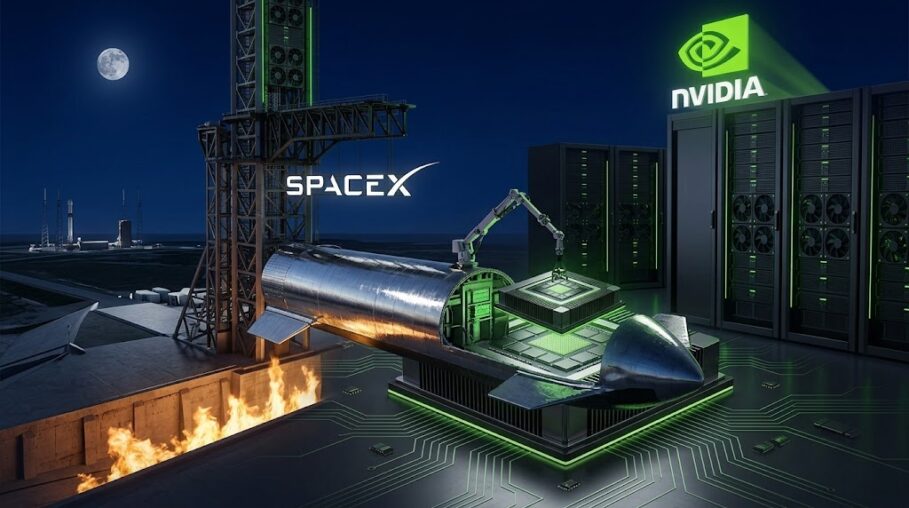
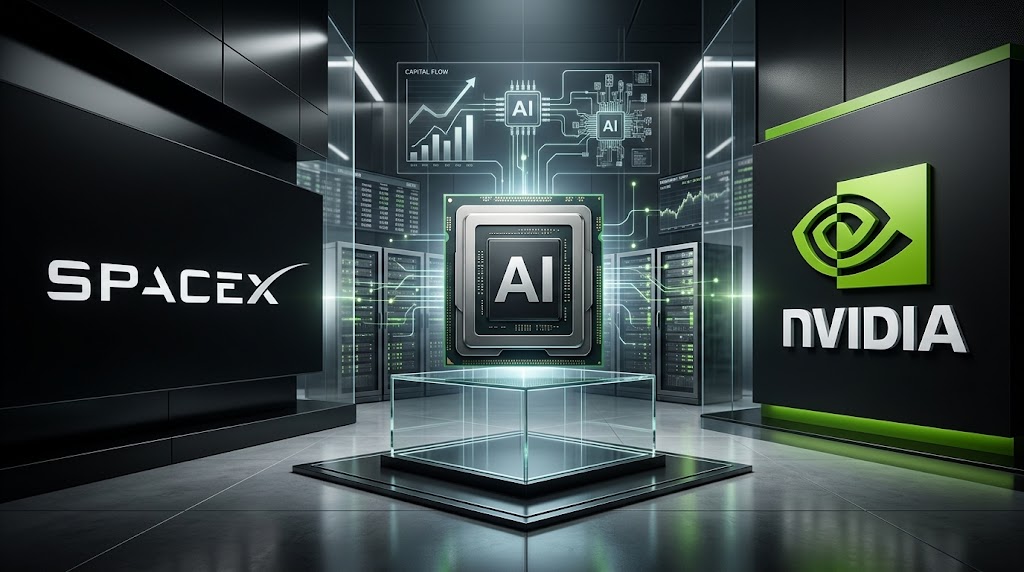
SpaceX is reportedly discussing a $40 billion financing package to purchase NVIDIA AI chips, highlighting the growing cost of competing in artificial intelligence. The proposed SpaceX NVIDIA AI chips deal could involve approximately $10 billion in bank loans and $30 billion in investment-grade debt, according to reports published in October 2026. Although the financing has not been confirmed as completed, the proposal raises important questions about AI infrastructure, NVIDIA’s growth opportunities, and the financial risks facing technology companies.
Why SpaceX Wants NVIDIA AI Chips
SpaceX has ambitions beyond rocket launches and satellite internet. Its expanding technology operations and potential artificial intelligence projects could require substantial computing power.
NVIDIA develops graphics processing units (GPUs) and networking systems used to train and operate advanced AI models. Therefore, a major purchase of SpaceX NVIDIA AI chips could create additional demand for NVIDIA hardware if the reported plans proceed.
However, investors should distinguish between financing discussions and a confirmed purchase order. The final order size, hardware specifications, and delivery schedule have not been established by the reported financing proposal alone.
SpaceX’s $40 Billion Debt Financing Proposal
The reported SpaceX NVIDIA AI chips financing plan involves a potential combination of bank loans and investment-grade debt. Reports have described approximately $10 billion in bank financing and another $30 billion in debt, with Apollo Global Management and PIMCO linked to discussions surrounding the proposed financing.
If the arrangement proceeds, SpaceX could obtain substantial funding without relying entirely on issuing new shares. Nevertheless, debt does not eliminate financing risk. The company would need to manage interest payments, repayment obligations, and the costs of deploying the hardware while continuing to fund its other operations.
Importantly, investors should distinguish between financing discussions and a finalized agreement. Until the relevant companies confirm the terms, the proposed Apollo Global SpaceX debt package should not be treated as completed financing or proof that NVIDIA has received a confirmed $40 billion order.
NVIDIA Vera Rubin NVL72: What the Hardware Could Mean
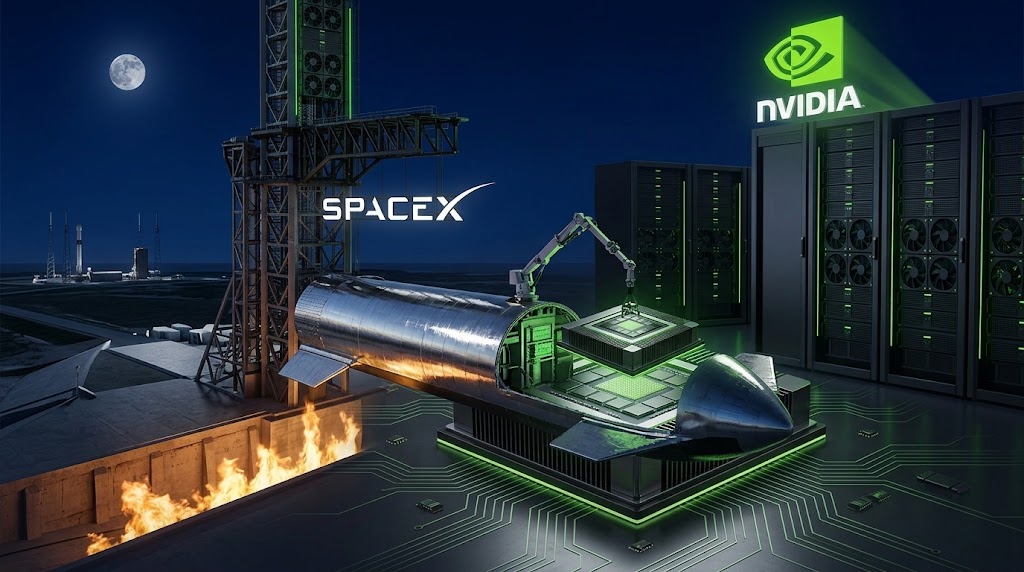
NVIDIA’s Vera Rubin platform targets demanding AI computing workloads, while the NVL72 system architecture combines 72 GPUs in a rack-scale computing system. This hardware illustrates the processing power companies may need as they build large-scale AI infrastructure. If the reported SpaceX NVIDIA AI chips proposal moves forward, the specific hardware configuration will help determine the scale of the investment.
Some third-party estimates suggest that a $40 billion budget could fund thousands of rack-scale systems, potentially representing hundreds of thousands of GPUs. However, these calculations depend on hardware configurations, negotiated prices, networking equipment, power systems, and other infrastructure costs. They do not confirm that SpaceX has ordered 360,000 GPUs or 5,000 NVL72 racks.
Consequently, investors should focus on confirmed orders, delivery schedules, and reported capital spending rather than treating theoretical purchasing capacity as guaranteed NVIDIA revenue. The actual impact of the SpaceX NVIDIA AI chips proposal will depend on whether the financing is finalized and a hardware purchase is confirmed.
Could SpaceX Build Orbital AI Data Centers?
The idea of SpaceX Starmind orbital AI infrastructure has attracted interest because it combines space technology with the rapidly expanding AI industry. In theory, satellites and space-based computing systems could process certain information closer to where companies collect it, potentially supporting specialized applications.
However, operating powerful AI hardware in orbit presents significant engineering challenges. Equipment must manage heat through radiation, withstand harsh environmental conditions, and operate within strict limits on power, weight, maintenance, and communications. Solar panels can provide energy, but they do not make power generation or heat removal effortless.
At present, claims about a specific project called “Starmind AI-1” and plans to deploy NVIDIA Vera Rubin NVL72 systems directly into orbit should be treated as unverified unless SpaceX or credible reporting confirms them. Therefore, the orbital-computing concept should remain separate from the reported financing story.
What the Proposal Could Mean for NVIDIA Investors
A confirmed large-scale purchase of NVIDIA AI chips could support demand for the company’s processors and related networking products. Moreover, continued investment in AI data centers could benefit other suppliers that provide optical networking, power equipment, cooling systems, and server infrastructure.
Nevertheless, a financing discussion does not automatically translate into higher earnings. NVIDIA’s actual benefit would depend on whether SpaceX completes an order, how many systems it purchases, when deliveries occur, and the margins NVIDIA earns on the sale.
Investors should also consider valuation. Even when a company has strong demand for its products, its stock price can fall if expectations already reflect substantial future growth. For that reason, the reported SpaceX proposal should be one part of a broader assessment of NVIDIA’s business and financial performance.

Why Debt Financing Matters to the AI Industry
The reported SpaceX NVIDIA AI chips proposal highlights the enormous amount of capital required to expand AI computing. Technology companies must finance not only processors but also data centers, networking equipment, electricity infrastructure, and long-term operating costs.
Debt can help a company fund expansion while avoiding immediate share dilution. However, borrowing also creates fixed obligations that remain even if AI demand slows or a project takes longer than expected to generate revenue. As a result, lenders and investors will want evidence that the expected returns justify the cost of financing.
Meanwhile, suppliers throughout the AI infrastructure market could benefit if companies continue expanding their computing capacity. Yet investors should evaluate each business separately because demand, competition, margins, and financial risks vary across the industry.
What Investors Should Watch Next
The next major developments will be confirmation of the financing terms, disclosure of any final NVIDIA chip order, and clearer information about how SpaceX plans to use the computing capacity. Investors should also monitor NVIDIA’s reported revenue, data-center demand, and guidance for evidence that large AI infrastructure commitments are translating into sales.
Ultimately, the proposed $40 billion SpaceX financing package illustrates the scale of investment behind the AI industry. It could create a significant opportunity for NVIDIA and related infrastructure suppliers if the financing and purchase proceed. However, until the companies confirm the transaction and its scope, investors should treat the proposal as a reported development rather than a completed deal.
For WebKarobar readers, the central question is not simply how many GPUs SpaceX might buy. It is whether the financing leads to confirmed hardware orders, sustainable AI demand, and financial returns that justify the enormous cost of building the next generation of computing infrastructure.