
Why Palantir Matters in 2026
Palantir has transformed from a defense‑centric analytics company into a global backbone for AI‑driven decision infrastructure. In early 2026, the company stands at the intersection of government modernization, industrial digitization, and enterprise AI adoption. Unlike many AI firms that focus mainly on research or commercial features, Palantir’s platforms are deeply operational—powering real‑time workflows in mission‑critical environments. Its solutions are now embedded in national security systems, industrial operations, and large enterprise ecosystems, demonstrating that AI can deliver tangible impact across complex challenges.
Strong Financial and Operating Profile
Palantir’s financial momentum has carried into 2026, with recurring revenue streams, expanding profit margins, and a growing backlog of multi‑year contracts. This financial resilience is underpinned by accelerating adoption of its AI Platform (AIP) and integration into both government and private sectors. Analysts continue to highlight that as Palantir scales its customer base, its diversified revenue mix helps protect against market volatility. Government contracts offer stability even as commercial adoption accelerates, which together position Palantir for continued growth and operational relevance.
Global AI Infrastructure Expansion
In a notable strategic development, Palantir and Accenture were selected by Sovereign AI to build next‑generation AI infrastructure across Europe, the Middle East, and Africa. This expanded role demonstrates Palantir’s transition from a software provider to a global infrastructure partner, helping countries develop sovereign technology stacks that can handle sensitive data and advanced AI workflows. Being chosen for such a high‑profile initiative marks a significant milestone in Palantir’s international expansion beyond its traditional North American defense roots.
Government Contracts and Defense Partnerships
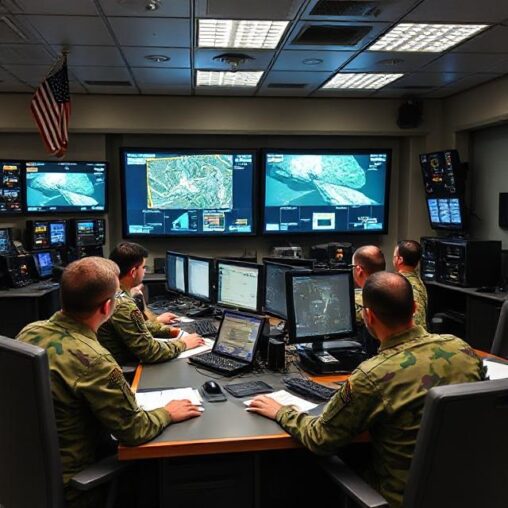
Government work remains a backbone of Palantir’s business. Long‑term contracts with U.S. federal agencies and allied defense partners continue to anchor its revenue. The company’s Army Vantage agreement was extended through 2028, integrating AI and data analytics into readiness, logistics, and operational planning. Additionally, Palantir expanded its involvement with U.S. Special Operations Command, deploying advanced AI tools tailored to specialized missions. These partnerships reinforce the company’s role in defense modernization and fortify its position as a mission‑critical provider for allied nations’ defense infrastructure.
Advanced AI Development Tools
Palantir has been enhancing its platform to meet the demands of modern enterprise and developer ecosystems. A significant upgrade, Ontology MCP, allows AI agents to connect more seamlessly with organizational data through an open Model Context Protocol. This innovation helps developers build complex automated AI workflows with greater ease and reduces integration friction across systems. Complementing this, new real‑time data features enhance flexibility and responsiveness, empowering organizations to deploy AI solutions that are both scalable and context aware.
Commercial Expansion and Industrial Impact
Beyond government work, Palantir has made strides in commercial and industrial applications. A high‑profile, multi‑hundred‑million‑dollar enterprise software deal with HD Hyundai illustrates the company’s growing footprint in industrial digitization. Hyundai is leveraging Palantir’s platforms to enhance operational efficiency and modernize data‑driven decision‑making in manufacturing and shipbuilding. This deal demonstrates that Palantir’s technology is no longer confined to defense and civil agencies but is becoming essential in sectors where operational intelligence and data integration drive competitive advantage.
Broader Defense AI Context
Palantir’s influence extends into collaborative defense innovation. In Ukraine, its platforms have supported allies in leveraging combat data to train AI for counter‑drone systems and battlefield intelligence, showcasing how operational AI is evolving beyond isolated use cases into multinational strategic initiatives. These real‑world applications highlight Palantir’s capacity to facilitate rapid, informed decisions in dynamic environments, helping shape future defense architectures that rely on real‑time intelligence and predictive modeling.
Market Debate and the Michael Burry Challenge
While Palantir’s operational relevance grows, the broader market debate over AI valuations remains intense. Investor Michael Burry, famous for predicting the 2008 housing crash, has reignited scrutiny of AI hype and taken a highly public stance against what he sees as speculative excess in the sector. Burry’s hedge fund, Scion Asset Management, disclosed significant put option positions against Palantir and other AI‑linked stocks, a move that signals his belief that parts of the AI rally may be overextended. These bearish positions drew attention because they represent a contrarian bet against two companies emblematic of the AI boom.

Burry has argued that AI valuations resemble past technology bubbles and has posted charts comparing current AI capex spending to the dot‑com era’s speculative excesses. Critics of his position, including some analysts and investors, suggest that his timing may be early and that Palantir’s fundamentals remain solid even if its valuation appears elevated. CEO Alex Karp openly criticized short sellers like Burry, dismissing their bearish bets as misguided and emphasizing the strong profitability and growth Palantir continues to achieve.
This clash between a high‑profile contrarian investor and a leading AI technology company has sparked debate in investor circles about whether Palantir’s valuation reflects sustainable fundamentals or whether it is part of broader market exuberance around AI. The dialogue underscores a tension between long‑term strategic relevance and short‑term market sentiment, with Palantir’s performance and future prospects continuing to be closely watched.
CEO Perspective and Market Positioning
At the 2026 World Economic Forum, Palantir CEO Alex Karp highlighted AI’s potential to enhance transparency and efficiency across sectors such as healthcare and energy while warning that technology adoption must be approached thoughtfully. Karp also called for broader technology adoption in Europe to maintain global competitiveness. His remarks contributed to broader industry discussions about AI’s societal and economic impacts, reinforcing Palantir’s role not only as a technology provider but also as a thought leader in responsible and strategic AI deployment.
Market Sentiment and AI Landscape
Analysts often describe Palantir as a foundational platform for agent‑based AI, functioning as a key operational layer in defense and enterprise settings. While some valuation pressures have emerged in early 2026, Palantir’s blend of government stability and commercial growth helps mitigate risk relative to other highly speculative AI plays. As investors reassess AI narratives, Palantir’s diversified applications and real‑world relevance continue to position it as a critical player in the evolving global AI ecosystem.
WebKarobar Verdict – 2026 Update
Palantir excels at turning theoretical AI into real‑world outcomes. Its leadership in AI infrastructure, defense operations, and commercial adoption distinguishes it from peers. New tools like Ontology MCP and global partnerships reinforce its influence across mission‑critical domains. While valuation debates and contrarian investor challenges add complexity to the narrative, Palantir’s operational track record and strategic foresight make it a compelling long‑term player in the AI landscape.
Overall Rating: ★★★★☆ (4.7/5)
Long‑Term Outlook
Palantir continues to deepen its footprint across defense, government, and enterprise ecosystems. Its evolving platform, strategic partnerships, and global infrastructure initiatives suggest it will remain central to the way organizations manage data, intelligence, and AI‑driven decisions. Observing commercial growth and how market sentiment shifts around AI valuations will be key to understanding Palantir’s trajectory throughout 2026 and beyond.