
Stocks Fall as Oil Prices Rise Amid Inflation Concerns
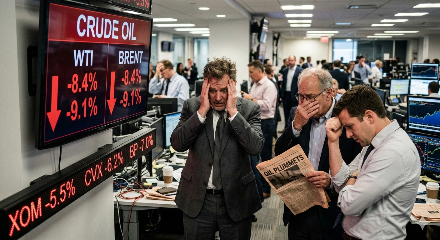
Global financial markets are displaying a clear divergence as stocks fall as oil prices rise, reflecting growing inflation concerns and the potential effects on economic growth and corporate profits. Central banks, commodity markets, and macroeconomic indicators are driving this cautious sentiment, influencing both equities and commodities.
Inflation Worries Shake Equities
Investors are growing concerned that inflation may remain elevated longer than expected. Rising prices in energy, food, housing, and services are prompting a reassessment of risk assets, particularly equities. While moderate inflation signals a healthy economy, accelerating prices can erode profit margins and reduce consumer spending. Companies in sectors sensitive to input costs face mounting pressure, contributing to the trend where stocks fall as oil prices rise.
Tech stocks are particularly vulnerable. These companies rely heavily on future earnings expectations, and higher interest rates reduce the present value of those future profits. As a result, investors have shifted away from richly valued technology equities, seeking safer alternatives or hedges against inflation. This rotation has intensified market volatility and reinforced the dynamic of stocks fall as oil prices rise.
Geopolitical Tensions in the Middle East Intensify Market Caution
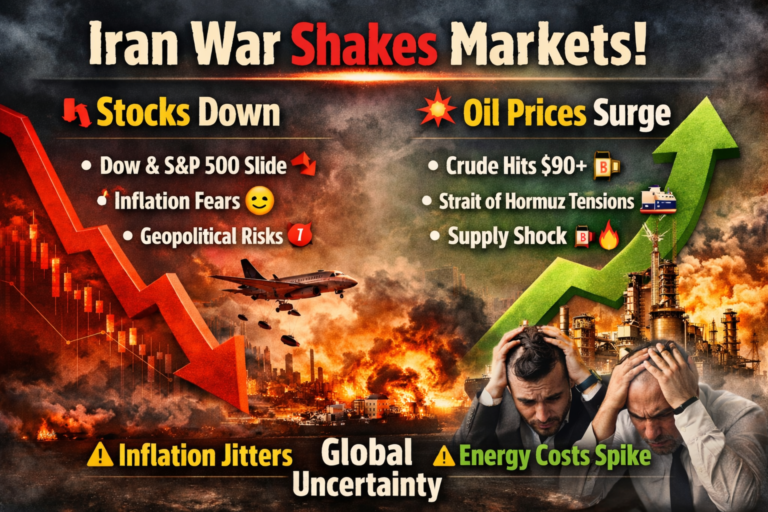
The recent escalation of the U.S.–Iran military conflict has added a powerful geopolitical dimension to investor sentiment, amplifying concerns about inflation and economic risk. As the war intensified, reports of strikes on Iranian infrastructure, attacks on oil tankers, and disruption around the Strait of Hormuz — a critical global oil transit route — triggered sharp spikes in crude prices. As a result, both West Texas Intermediate (WTI) and Brent crude benchmarks climbed toward key resistance levels, reflecting the market’s fear of prolonged supply constraints and higher energy costs.
This geopolitical risk premium directly affected global equities. Major U.S. indexes such as the S&P 500, Dow Jones Industrial Average, and Nasdaq Composite experienced significant declines as investors reassessed risk exposure amid uncertainty over supply disruptions and inflationary pressures. The Dow in particular saw sharp intraday drops, reinforcing the narrative that stocks become more vulnerable when geopolitical risk rises and inflation fears mount.
The war has also heightened concern that inflation could remain “sticky,” meaning prices may stay elevated for longer than expected. Rising oil and energy costs act as a broad inflation driver because they flow through transportation, manufacturing, and consumer pricing. Investors have reacted by reducing risk appetite in growth‑oriented equities while redirecting flows toward commodities, defensive assets, and inflation hedges.
Oil Gains Reflect Supply and Demand Dynamics
In contrast to equities, oil prices are rising. Supply constraints and ongoing global demand are driving energy prices higher. Geopolitical tensions, production cuts by major oil-producing nations, and logistical bottlenecks have limited supply growth. At the same time, industrial activity and consumer energy needs continue to recover, creating upward pressure on crude.
Rising oil prices also reinforce inflation concerns, as energy costs ripple across transportation, manufacturing, and services. This dynamic strengthens investor caution toward equities, as higher input costs may squeeze corporate profit margins and slow economic growth.
Bond Yields Signal Caution
Investor sentiment is further reflected in bond markets. Long-term government bond yields have climbed as traders price in sustained inflation and slower economic growth. Rising yields put additional pressure on stocks, especially those whose valuations depend on future earnings. Bonds are now serving as a key indicator of market expectations, helping investors gauge both inflation and economic performance.
Central Banks Maintain Tight Policies
Central banks, including the U.S. Federal Reserve, have signaled that they may keep interest rates elevated for an extended period to control inflation. This guidance has heightened investor caution, as higher borrowing costs could limit corporate investment and slow growth. Markets have responded accordingly, with risk assets showing increased volatility and investors seeking protective strategies.
Corporate Earnings Feel the Pressure
Many companies are reporting mixed earnings results. Rising input costs, including labor and energy, are compressing margins for businesses across multiple sectors. Companies that rely heavily on discretionary consumer spending face additional pressure, as households adjust their budgets in response to rising prices. Conversely, energy and materials companies benefit from higher commodity prices, attracting investor attention while broader indexes struggle.
This sectoral divergence highlights the complexity of the current market environment. Investors are navigating a scenario where some industries thrive under inflationary pressures while others suffer, requiring more selective positioning.
Consumer Behavior Influences Market Sentiment
Higher costs for gasoline, goods, and services are changing consumer behavior. Many households are reducing discretionary spending, which can dampen revenue growth for companies outside essential sectors. This change in spending patterns feeds into market expectations, further influencing equity valuations and prompting investors to remain cautious.
Oil Prices and Inflation Form a Feedback Loop
The relationship between rising oil prices and market caution demonstrates a feedback loop. Higher energy costs contribute directly to headline inflation, prompting central banks to maintain or raise interest rates. Elevated rates, in turn, weigh on corporate profits and equity valuations. At the same time, commodity sectors benefit from price gains, attracting investors looking for inflation hedges. This loop continues to shape market behavior and investment strategies.
Navigating Market Volatility
Analysts emphasize the importance of monitoring central bank communications, inflation reports, and corporate guidance. Persistent inflation could trigger further market corrections, while easing price pressures may stabilize both equities and oil. Investors are balancing growth opportunities against macroeconomic headwinds, making risk management and diversification critical.
The divergence between equities and oil also reflects broader economic realities. Energy demand remains robust amid structural supply constraints, while other sectors show signs of slowing. This mixed picture complicates investment decisions and requires careful analysis of sector-specific trends.
Inflation Drives Market Divergence
In conclusion, the recent decline in stocks and the rise in oil prices highlight market concerns over sustained inflation. Higher energy prices, combined with tighter monetary policies, influence corporate earnings, consumer behavior, and sectoral performance. Investors are responding by adjusting positions, rotating into commodities and inflation hedges, and remaining cautious with risk assets.
As central banks maintain focus on controlling inflation, markets continue to balance growth potential against macroeconomic risks. In this environment, investors who actively monitor inflation, oil prices, and sector-specific earnings will be better positioned to navigate volatility and make informed decisions.