
Iran Peace Talks: Tehran Denies Contact With the U.S., Tensions Escalate
The Middle East faces rising uncertainty as reports of potential peace talks involving Iran circulate globally. Earlier this week, media outlets claimed that Iranian intelligence officials had signaled interest in contacting the United States to negotiate an end to the ongoing conflict. However, Tehran quickly dismissed these reports, calling them false and a form of psychological warfare. This denial raises pressing questions about whether diplomacy can realistically resolve tensions in the near future.
Iran peace talks: Tehran Denies Peace Overtures
Iran’s envoy to the United Nations in Geneva stated clearly that Tehran had not approached Washington about peace negotiations or renewed diplomatic engagement. In official statements, Iranian leaders emphasized that their military remains prepared for ongoing confrontation. They described the news about secret diplomacy as an attempt to weaken Iran’s position and morale.
By denying any outreach, Iran signals that it will not appear as the side seeking peace while hostilities continue. Instead, the country continues to highlight its national defense priorities and regional influence. Analysts argue that this stance complicates diplomatic efforts, as perception often matters as much as actual negotiations.
Iran peace talks: Escalation Fuels Uncertainty
Meanwhile, military tensions in the region have surged. Recent weeks have witnessed coordinated strikes targeting Iranian infrastructure, followed by Iranian missile and drone attacks on regional targets. These exchanges have raised fears of a wider regional conflict.
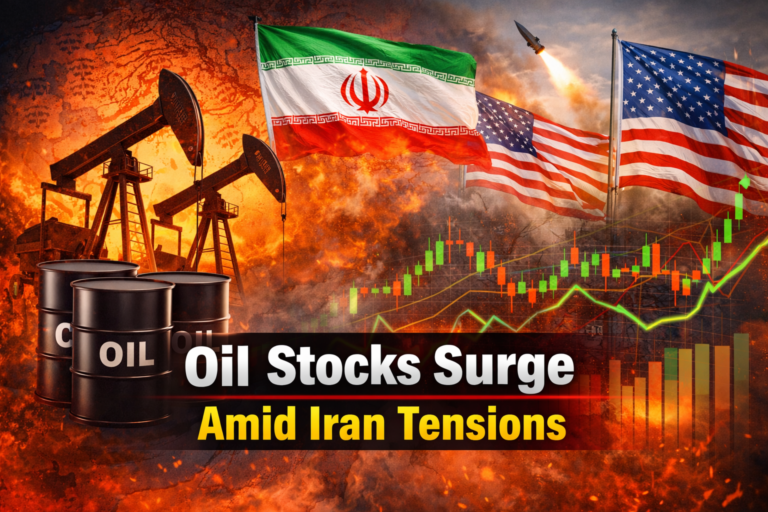
The escalation has not only intensified diplomatic challenges but also affected global markets. Traders monitor the Strait of Hormuz, a critical oil shipping route, for potential disruptions. Any threat to this waterway could spike global oil prices and impact economic stability worldwide.
Iran peace talks: Conditions for Negotiations
Despite Tehran’s firm stance, some officials have indicated that negotiations remain possible under strict conditions. Iran insists that hostilities must cease and international sanctions be addressed before meaningful talks can proceed. The government frames diplomacy as a process that requires mutual respect, arguing that negotiations cannot take place under military pressure.
Economic sanctions remain a core issue. Tehran has consistently demanded relief from international sanctions that hinder its economy. Negotiators face the dual challenge of addressing Iran’s security concerns while providing incentives that make sanctions relief feasible. These conditions highlight why previous attempts at peace talks have often stalled.
Iran peace talks: The Role of International Mediators
Third-party mediators have historically played a critical role in U.S.-Iran negotiations. Countries such as Oman, Switzerland, and members of the European Union have helped bridge communication gaps.
Before the latest escalation, indirect talks occurred through intermediaries, focusing primarily on Iran’s nuclear program and regional security. However, the outbreak of new hostilities interrupted progress, demonstrating how quickly military developments can overshadow diplomatic channels.
Now, regional actors are pressing for renewed diplomacy. Gulf states, particularly, worry that prolonged conflict could destabilize the region and disrupt economic activity. Their involvement may prove crucial if back-channel negotiations resume.
Iran peace talks: Global Market Reactions
Financial markets react swiftly to these geopolitical developments. Oil prices, for instance, respond directly to news from Iran, as the country plays a central role in global energy supply. Investors remain alert for any indication that conflict might threaten production or shipping routes.
Additionally, defense stocks, commodities, and safe-haven assets like gold have experienced heightened volatility. Analysts note that even rumors of diplomacy or conflict can trigger rapid market adjustments. These reactions underscore the high stakes of Iran-related developments for both investors and policymakers.
Iran peace talks: Implications for Oil Markets and Global Economy
The ongoing uncertainty in Iran has already sent ripples through global oil markets. Traders reacted sharply when rumors of potential peace talks first emerged, briefly stabilizing prices, only for markets to fall again after Tehran denied the outreach. Analysts warn that any escalation in the region could further disrupt oil supply routes, particularly through the Strait of Hormuz, which handles nearly a fifth of global crude shipments. As a result, energy stocks and commodities have shown heightened volatility, with investors closely monitoring every development for signs of further instability.
Iran peace talks: How Military Events Shifted Oil Market Sentiment
At first, reports that peace talks might be on the horizon gave investors a glimmer of hope that the conflict could de‑escalate — which briefly eased pressure on oil prices and energy stocks. For a moment, traders interpreted the possibility of diplomacy as a sign that crude supply routes like the Strait of Hormuz might stay open, which helped stabilize stocks such as Exxon Mobil (XOM) and Chevron (CVX). However, that optimism quickly faded after Iran denied any outreach, and more intense military actions — including the U.S. torpedo attack sinking the Iranian frigate IRIS Dena off Sri Lanka’s coast (a historic submarine engagement) — reminded markets that hostilities were far from over.
As a result, oil traders reacted nervously, and shares of energy producers including Occidental Petroleum (OXY), ConocoPhillips (COP), and mid‑caps like EOG Resources (EOG) saw increased volatility. Analysts noted that unexpected military escalations rattled investor confidence, particularly when the Pentagon reported multiple Iranian naval vessels had been sunk by U.S. forces, signaling that the conflict could widen rather than resolve soon.
Iran peace talks: Geopolitical Watch: What to Expect Next
Regional and global powers now face a delicate balancing act. While diplomatic channels remain limited, the pressure to prevent a larger conflict is growing. Gulf states, the European Union, and the United States are likely to continue using back-channel negotiations to maintain some leverage, even as Tehran maintains its firm stance. Meanwhile, market watchers, policymakers, and global businesses must remain prepared for sudden shifts, as any miscalculation could spark both military and economic consequences. The coming weeks will likely be critical in determining whether diplomacy can regain traction or if tensions will drive further disruption across energy markets and the wider international economy.
Navigating Diplomatic Uncertainty
Looking ahead, the prospects for immediate peace talks remain unclear. Iran’s firm denial of diplomatic outreach suggests the country intends to maintain a position of strength while continuing military operations. Nevertheless, historical precedent shows that diplomacy can resume even after intense conflict. Back-channel communications and international mediation have previously facilitated dialogue between adversaries, sometimes under unexpected circumstances.
As tensions persist, global powers and regional actors may increase pressure on Iran to re-engage diplomatically. The coming weeks will likely determine whether the situation moves toward negotiation or further escalation, with significant implications for regional stability.
Oil Stocks Likely to Be Volatile Amid Iran Tensions
The ongoing uncertainty surrounding Iran’s peace talks has created significant volatility in the energy sector. Oil prices reacted sharply to the initial rumors of diplomatic engagement, only to fall again after Tehran denied any outreach. Traders and investors are closely watching major oil companies that could experience heightened swings in the coming days, including Exxon Mobil Corporation (XOM), Chevron Corporation (CVX), Occidental Petroleum (OXY), and ConocoPhillips (COP). Even mid-cap energy stocks like EOG Resources (EOG) and Hess Corporation (HES) may see amplified price movements as geopolitical risks directly affect crude supply routes, particularly in the Strait of Hormuz. Analysts warn that short-term market reactions could be dramatic, making both energy stocks and related ETFs sensitive to news of further escalation or diplomatic breakthroughs.
Final Take
The controversy over Iran peace talks illustrates the complexity of Middle Eastern geopolitics. While initial reports suggested potential engagement with the United States, Tehran has publicly rejected such claims. The country continues to emphasize its readiness for conflict while leaving the door open for talks under specific conditions, including a cessation of hostilities and sanctions relief.
Observers, investors, and policymakers face a delicate balance: monitoring military developments while hoping for diplomatic breakthroughs. Whether peace negotiations materialize or tensions intensify, the situation in Iran and the broader Middle East will remain a critical global concern in 2026.